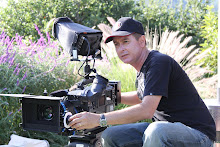
At SSV, we try hard to keep up with what's new in cameras and support gear, and if a new model offers something valuable to our clients, we add it to rental inventory--but any new camera or support gear has to meet the criteria of high quality, reliability, simple work flow and affordability. No one camera is going to do it all for our clients, that camera just hasn't been invented yet. Here is an explanation of what our current camera inventory offers:
Canon C300 PL Super 35mm Digital Cine camera--this is the most popular rental video camera in the world, currently. This small camera makes gorgeous images in any light with fantastic resolution, Canon colorimetry, super low noise, 12 + stops of latitude, records on dual CF memory cards, offers all the features of DSLR's, like shallow depth of field, low light capability, small size, without any of the compromises. Recording format is Canon XF at 50Mbps, 4:2:2 color space, 80 minutes on a single 32Gb CF card. We offer the PL-mount version because it is the cinema standard--very rigid, cine lenses offer complete manual control, great optics, great ruggedness, comprehensive distance markings for zoom and focus, much more focus rotation for subtle, repeatable focusing than auto focus optimized stills lenses, gears for zoom motors and follow focus. The C300 is a lot of fun to shoot with while giving the cinematic imagery so many are looking for! We also have affordable 35mm Cine zoom and prime lens options for the C300 PL.
Panasonic HPX250 and HPX255 P2 1/3" CMOS camcorders--these are the successors to the famous Panasonic DVX100 and HVX200 24P camcorders. These newest generations give us full raster HD sensors, 22x zoom lens, and DVCPRO HD or AVC-Intra 100 recording formats on P2 cards. The latter format is 10-bit, 100Mbps, 4:2:2, I-Frame, so a great choice for green screen and any project where extensive grading and color correction is planned-it's the first time a 10-bit studio quality codec has been put into a camera of this form factor and price-point. Low noise, variable frame rates, Panasonic color and better highlight handling than previous Panasonic camcorders round out the feature set. The HPX255 adds the ability to be used with our Panasonic EC4 remote camera paint box for precise color and shading control plus remote record trigger and playback.
Panasonic HPX2700 P2 Varicam ENG 2/3" CCD--this camera is the successor to the original Varicam, which was known for variable frame rates and good latitude using Film-Rec gamma. The HPX2700 offers frame rates from 2fps to 60fps at 720P and can be ramped mid-shot. It also records in 1080. Film-Rec gamma now has up to 600% dynamic range for improved latitude and highlight handling. 2/3" CCD's have no skewing issues, and provide a good compromise between super shallow depth of field and getting the shot on the first take. Recording formats are DVCPRO HD and studio quality AVC-Intra 100 with five P2 cards for lots of record time. A great camera for documentary style shooting, sports, interviews. Rugged and reliable, P2 Varicam is to video what 16mm was to film cameras.
Panasonic AF100 micro 4/3" Digital Cine camera-the first of the true video cameras that give the large sensor DSLR look, while adding in-board audio XLR recording and headphone monitoring, built-in ND filters, no moire or aliasing artifacts and low motion skewing, unlike DSLR's. You also get time code, waveform/vector, focus in red, zebras, HD-SDI and HDMI out for full HD monitoring, variable frame rates, flip out high res. LCD, EVF and camera mic. Recording format is AVCCAM. This is a real large sensor video camera at a DSLR day rate. It can use virtually any 35mm lens, still or cine, plus native micro 4/3" lenses. Very versatile and affordable.
Sony EX1 Cine Alta 1/2" CMOS camcorder--this camera has been around for a bit and has made a reputation for itself. First of the affordable Cine Alta HD cameras, this workhorse can do many things well with variable frame rates, native full HD resolution, and cine gammas. Recording format is XDCAM EX, via SxS cards, which is a full raster, low bit rate MPEG 2 codec, providing a simple workflow that doesn't require a lot of computer processing horsepower. Still very popular for many kinds of projects, this little camera delivers.
Sony HXC-100K/HXCU-100 triax HD camera--this is a full triax camera chain designed for multi-camera productions. It consists of an HD 2/3" CCD camera head in ENG or studio configuration with a triax CCU(Camera Control Unit) and RCP(Remote Control Panel) for complete camera control at long distances. One triax cable gives full functionality of every camera operation parameter, including paint and iris control, intercom, power, tally, return, and audio. HXC-100K's are perfect for use with our HD fly pack with Panasonic HS410 switcher.
So, there's an overview of our HD camera rental options. Each camera has its strengths, with CCD and CMOS sensors sizes of 1/3", 1/2", 2/3", micro 4/3" and Super 35mm for maximum flexibility. Five different internal recording formats, plus any of these cameras can be used with our AJA Ki Pro ProRes 422 recorders.
The next time somebody says "one size fits all" about cameras, it might be good to question that, because each project has its own set of unique requirements visually, technically and budget wise. That's why renting cameras in this time of technical change and progression can make a lot of sense, along with support equipment tailored to get the most out of each camera. We're here to help!
Photo by Mike Sly, Sly Digital, slydigital.com